Table of contents
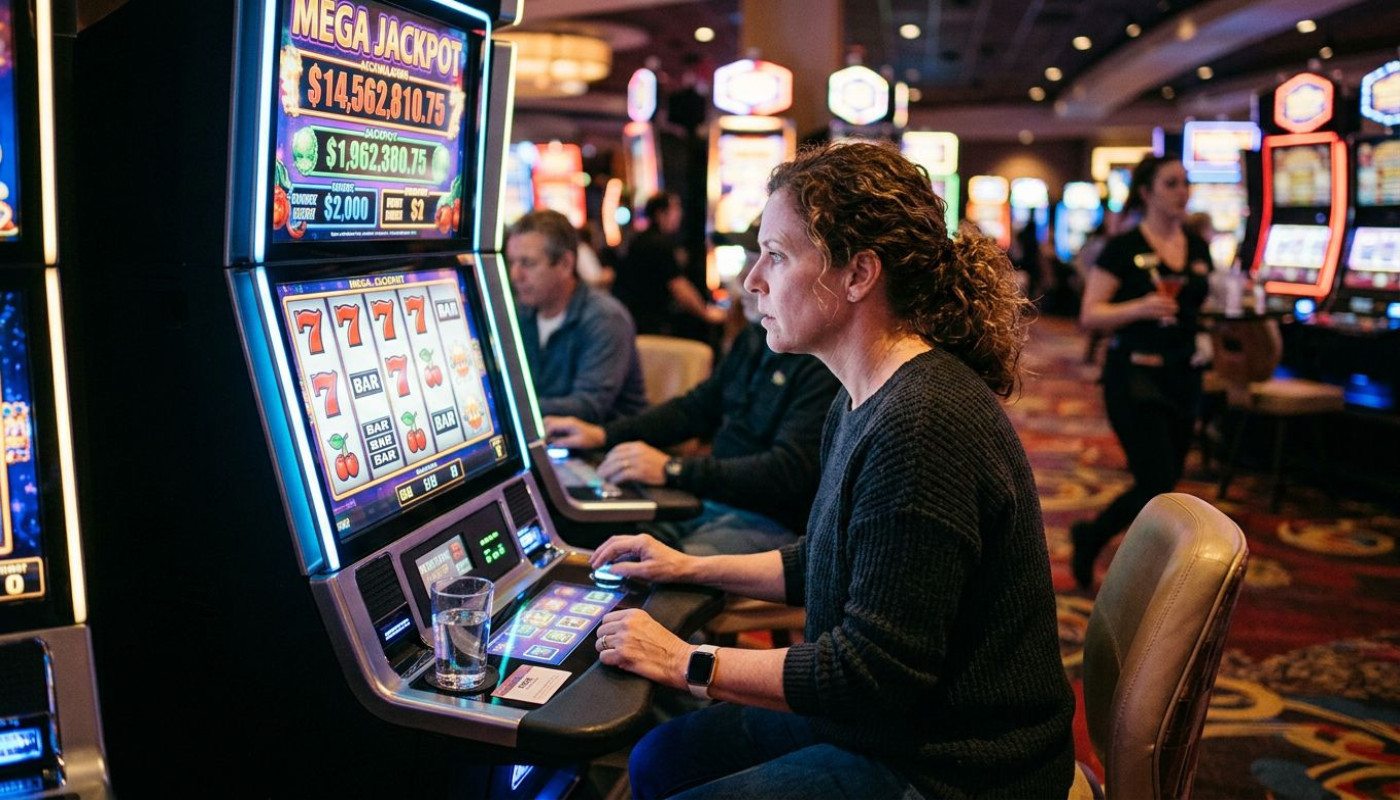
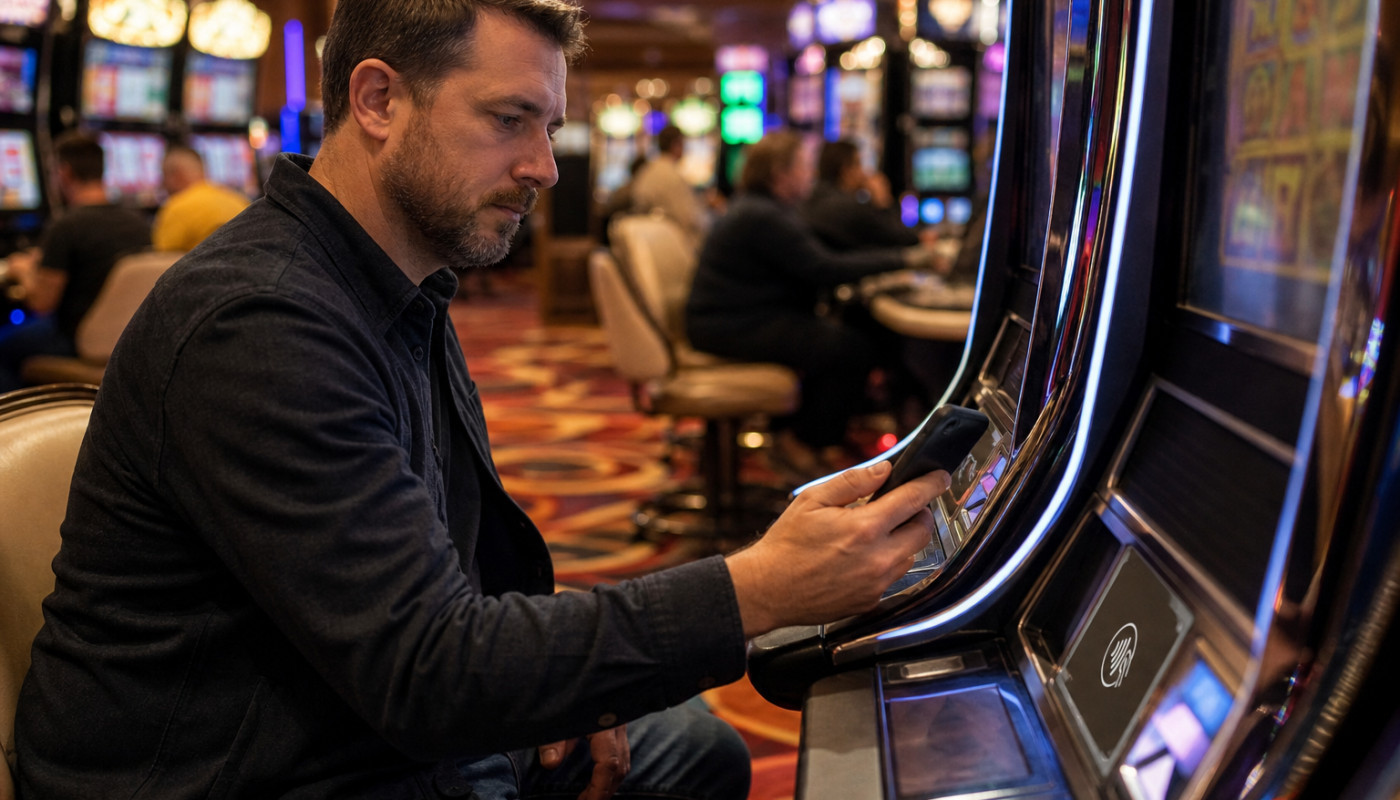
Swipe, tap, play, repeat. In casinos from London to Las Vegas, cash is no longer the default, and the shift is accelerating as operators pitch speed, security, and “frictionless” entertainment. Yet regulators and addiction specialists are asking a sharper question: when money becomes a number on a screen, do people spend more, faster, and with less awareness? With contactless limits rising, digital wallets spreading, and crypto-adjacent experiments resurfacing, cashless gambling is turning into a real consumer issue, not a niche tech upgrade.
Faster play, thinner sense of money
How much does a pound feel like when you never touch it? That is the behavioral rub at the heart of cashless casinos, and decades of research into “payment friction” suggests the concern is more than moral panic. Studies in consumer psychology have repeatedly shown that people tend to spend more when payment is less tangible, and while casino environments add their own distortions, the underlying mechanism is familiar: once the physical cue disappears, the mental “pain of paying” often weakens, and the pace of decision-making speeds up.
The classic reference point is card spending in retail, but gambling has long relied on similar dynamics, chips and tickets already abstract cash, and the move to fully cashless systems removes even the small pause at the ATM or cage. On a busy floor, those pauses matter: they create natural interruptions that can nudge a player to reassess. When accounts are topped up in seconds via mobile wallet, the interruption becomes a notification, not a walk, and that difference can translate into longer sessions.
In the United Kingdom, the gambling context is shaped by policy as well as psychology. The credit card ban for gambling, introduced in 2020, aimed to reduce harm, yet cashless systems can still be funded through debit cards and e-wallets, and the ecosystem is complex. Separate reforms have targeted high-risk products and high-speed play, and the Gambling Commission has repeatedly emphasized “affordability” and customer interaction, meaning operators are expected to identify risky patterns. Cashless play can, in theory, strengthen monitoring because every transaction leaves a trail, but it can also enable more frequent, smaller top-ups that feel harmless in isolation and add up quickly.
Data from gambling-harm services underscores the stakes. In 2023, NHS England recorded over 1,600 referrals to specialist gambling clinics, a sharp rise from earlier years as capacity expanded, and while referrals are not a perfect proxy for prevalence, they reflect growing demand for support. The headline prevalence numbers remain debated, yet the policy direction is clear: regulators are treating gambling harm as a public health issue. In that landscape, cashless convenience is not neutral, it changes the tempo of play, and the tempo is often where harm accelerates.
Security wins, but privacy questions grow
Less cash, fewer robberies, fewer counterfeit notes, fewer queues at the cage. For operators and many customers, the security case is straightforward, and it aligns with a broader societal trend. In the UK, cash use has fallen dramatically over the past decade, and card payments dominate everyday spending, so the casino floor is no longer an exception, it is catching up. Digital transactions can also reduce disputes, create itemised histories, and help customers track spending, at least in theory, if interfaces are well designed and statements are clear.
Yet the same data trail that can protect also exposes. A fully cashless casino generates granular records: time stamps, game choices, bet sizes, deposit patterns, and sometimes location within a venue. Even where identities are already verified through KYC and anti-money laundering checks, the depth of behavioral data in a cashless environment raises questions about who holds it, how long it is retained, and how it is used. Is it primarily a harm-prevention tool, a compliance requirement, or a marketing asset that can be used to target high spenders with ever more precise offers?
These concerns are not hypothetical in an era of high-profile cyber incidents. The casino sector has faced costly ransomware attacks, and while the most publicised cases have been in the United States, the lesson travels: if you centralise value and identity in digital systems, you create a tempting target. For the consumer, the risk is not only financial loss, it is exposure of sensitive behavioural information. Gambling is still stigmatised for many people, and a breach that reveals play patterns can carry personal and professional consequences that go beyond money.
Regulators, for their part, are under pressure to balance privacy with oversight. Anti-money laundering regimes rely on traceability, and cashless systems can make suspicious activity easier to spot, but the line between monitoring and surveillance can blur. As cashless play expands, the debate is likely to shift from “should we allow it?” to “what safeguards are non-negotiable?”, including clear consent, data minimisation, and genuine customer control over marketing and account tools.
When limits exist, players look for loopholes
Convenience always meets creativity. One promise of cashless gambling is better control: set a budget, apply deposit limits, freeze an account, and everything becomes enforceable by design. In practice, consumer behaviour is messier, and harm specialists often point out that the most vulnerable players are also the most likely to search for ways around restrictions, opening multiple accounts, switching venues, or moving between online and land-based gambling when friction appears in one channel.
The UK’s regulatory framework tries to address this with layered checks. Operators must verify age and identity, monitor for signs of harm, and interact with customers when risk markers appear. Recent reforms have moved toward stronger financial risk checks online, and while land-based casinos operate differently, cashless systems could bring them closer to online-style monitoring. That may sound reassuring, but it also raises a practical question: if a venue can see more, will it act faster, and will interventions be meaningful, or will they arrive as automated messages that players ignore?
There is also the issue of speed. Cashless tools can enforce limits, but they can also make it easier to escalate within the limits, especially if the limits are set too high or can be changed instantly. Good design matters: cooling-off periods for limit increases, prominent display of net spend, and friction at key points can all reduce harm. Bad design, by contrast, turns the system into a one-click replenishment loop, and in a casino environment built to keep attention on the game, the interface can become a quiet accomplice.
Players trying to understand the mechanics, compare rules across venues, or read unvarnished discussions often turn to independent communities rather than marketing pages. That is where a simple link can be useful, not as a silver bullet, but as a place to see how real users describe cashless experiences, what surprised them, and what warning signs they wish they had noticed earlier. In a market where information asymmetry is real, peer conversation can sometimes surface practical truths faster than official guidance.
What “cashless” really means in 2026
Not all cashless systems are the same, and the details are where the consumer impact is decided. Some venues use closed-loop wallets tied to a casino account, others rely on open-loop payment methods like debit cards and mobile wallets, and some experiments blend in digital tokens or crypto rails behind the scenes while presenting a familiar interface to the customer. Each model affects fees, reversibility, fraud risk, and the ability to self-exclude or apply cross-venue controls.
There is also a cultural difference between jurisdictions. In parts of the United States, cashless casino payments have grown with app-based wallets and partnerships with payment providers, while in the UK, regulatory caution and a stronger recent focus on harm prevention have shaped the pace. Still, the direction of travel is similar: digital identity checks are becoming smoother, and the “cash option” is starting to feel like an add-on rather than the core. Once a critical mass of customers expects tap-to-pay everywhere, resistance becomes harder for venues to justify, particularly when they can argue that cashless systems reduce theft and improve compliance.
For consumers, the key is to treat cashless gambling as a product feature with trade-offs, not a neutral convenience. Ask what happens when the network goes down, how quickly withdrawals can be made, whether fees apply, and whether transaction histories are easy to access in plain language. Look for tools that show net losses clearly, not just deposits, and check whether changing limits triggers a delay. If a venue promotes cashless play heavily but buries the control settings, that imbalance is telling.
As regulators push for stronger consumer protections, cashless systems could also become a lever for safer gambling, but only if the incentives align. Transparency, enforceable limits, and meaningful interventions can reduce harm, while dark patterns and frictionless top-ups can worsen it. The technology itself is not destiny, and the next phase will likely be shaped less by what is possible and more by what is permitted, audited, and designed with the player’s reality in mind.
Before you tap: set rules, then stick
Plan the night like any paid entertainment: set a fixed budget, decide the time you will leave, and use deposit and spend limits that cannot be raised instantly. If you are travelling, check payment rules in advance, and keep a cash fallback for transport and essentials. In the UK, free help is available via the NHS and national support lines, and self-exclusion tools can be activated quickly.
Similar articles